Lane Continuity
Check how protected, marked, and shared sections connect across the trip.
Purificationuflu frames cycling as a practical part of urban travel: connected lanes, slower streets, parking points, and weather-aware planning.
Clear cycling plans reduce guesswork. Check where a lane begins, where it narrows, and how the final block connects with your destination.
In Wellington and other New Zealand cities, hill profile and wind direction can matter as much as distance.
Ask About Cycling Content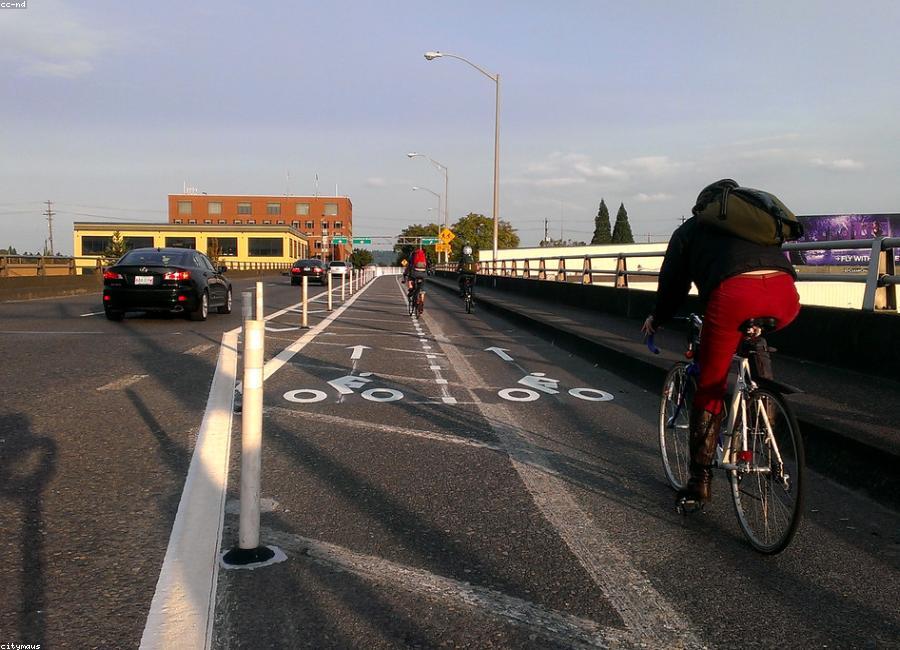
A short review of surface, lane type, and storage can make the route feel more settled.
Check how protected, marked, and shared sections connect across the trip.
Know the nearest visible bike rack or storage option before you arrive.
Compare distance with slope and weather exposure, especially near harbour routes.
Begin with the cleanest entry to a lane or calmer street.
Know where traffic, parked vehicles, or narrow sections need extra attention.
End the trip near a visible rack, public entrance, or managed bike space.
Cycling works well when it links with walking, buses, trains, ferries, or a final short stroll. A good route does not need to be the longest or fastest; it needs to be understandable.
The information provided on this website is intended for general informational and educational purposes only. It is not professional advice and should not replace guidance from qualified local professionals where that guidance is needed.
All content reflects general topics related to cycling, route awareness, public spaces, and everyday habits in New Zealand. Individual experiences may vary.
Before changing your daily routine or travel habits, consider your personal circumstances, local rules, weather, traffic, access needs, and the suitability of each route.
This website does not provide assessments, regulated guidance, or personalized recommendations.
You can review how personal data, contact form details, and cookie choices are handled at any time.